

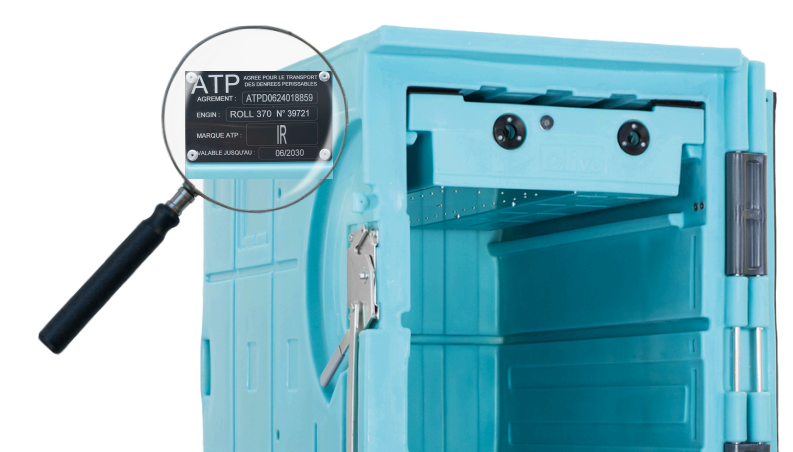
ATP renewal for your insulated containers: what every logistics manager needs to know to remain compliant
2 July 2026 by Edina GÁLFI
5 May 2026 by Edina GÁLFI
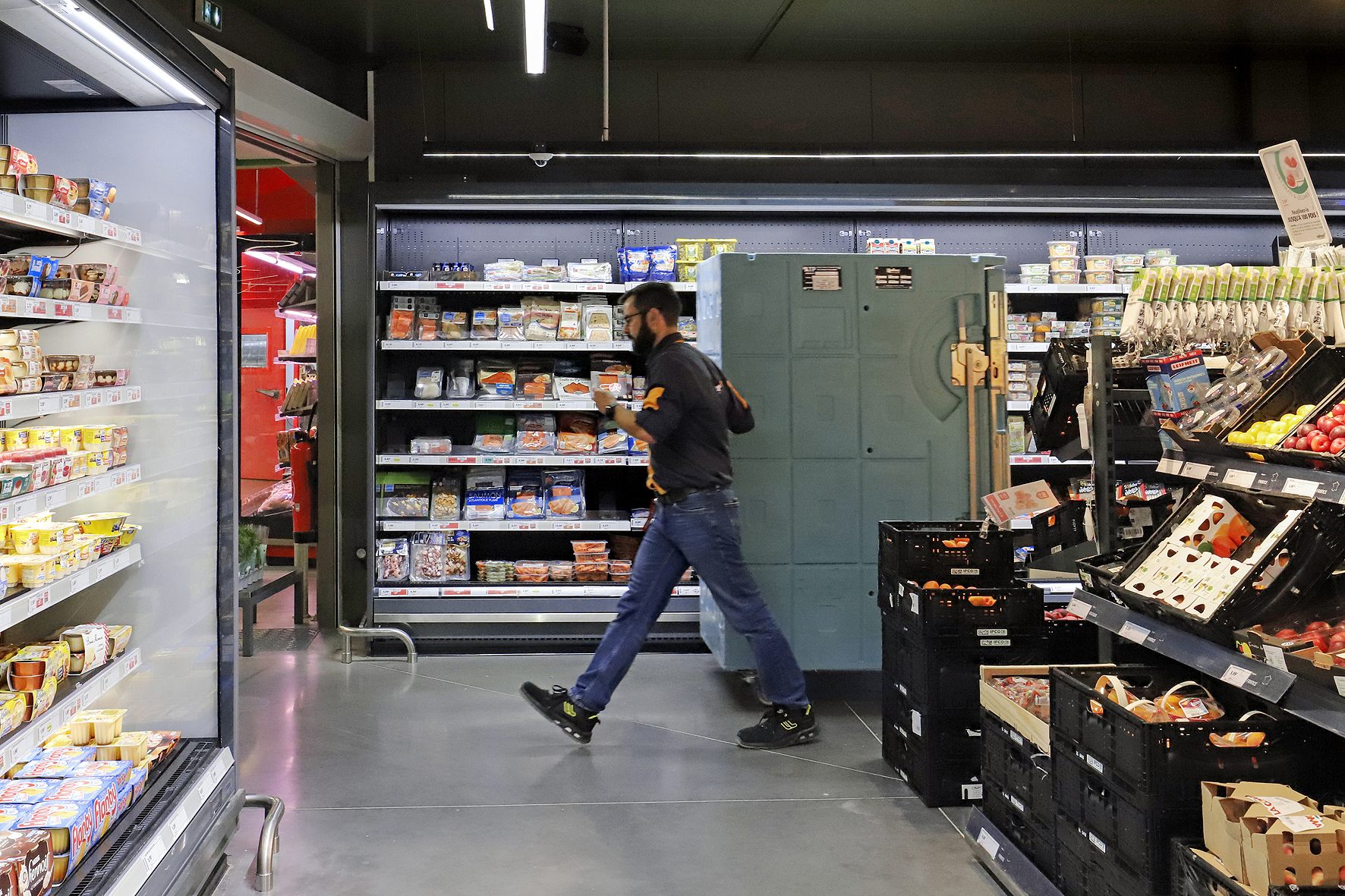
Logistics cost pressure: an unavoidable reality for food distribution
Pressure on logistics costs is a daily reality in food distribution. Between rising energy prices, recruitment difficulties, and constant pressure on margins, buyers and transport managers must deal with a complex equation: reducing costs while maintaining, or even strengthening, compliance with regulations and service quality.
Cold-chain logistics is on the front line. Refrigeration units consume a lot of energy, insulated equipment represents a significant investment, and strict regulations (such as ATP, HACCP, or European sanitary rules) impose unavoidable costs.
However, optimization is possible. Here are six practical levers to control cold-chain logistics costs without compromising compliance, based on best practices observed in the B2B sector.
Trying to reduce costs by buying the cheapest insulated equipment is often a false good idea. This choice can turn out to be very expensive in the long run.
A low-end container may cost up to 30% less at purchase. But if its lifespan is half as long, if it requires more maintenance, or if it fails compliance tests, its real cost over 10 years can be much higher than that of a high-quality piece of equipment.
To objectively compare different insulated equipment solutions, the buyer must include the following in their calculation:
Acquisition costs: purchase price or monthly rental fee in case of leasing, delivery and commissioning costs
Operating costs: energy required to recharge eutectic plates (electricity consumption of the cold room) – cost of consumable cooling sources (dry ice, liquid nitrogen if applicable) – labor costs related to equipment handling (recharging, cleaning, inventory)
Maintenance costs: preventive annual maintenance (inspection, seal replacement, performance checks) – corrective maintenance (repairs in case of damage) – ATP certification costs (initial tests and renewals)
End-of-life costs: residual value of the equipment at the end of its life (resale or recycling) – replacement cost (including removal and installation logistics)
Over a 10 to 12-year period, the difference in total cost of ownership between low-end equipment and high-quality industrial equipment can completely reverse the ranking of offers.
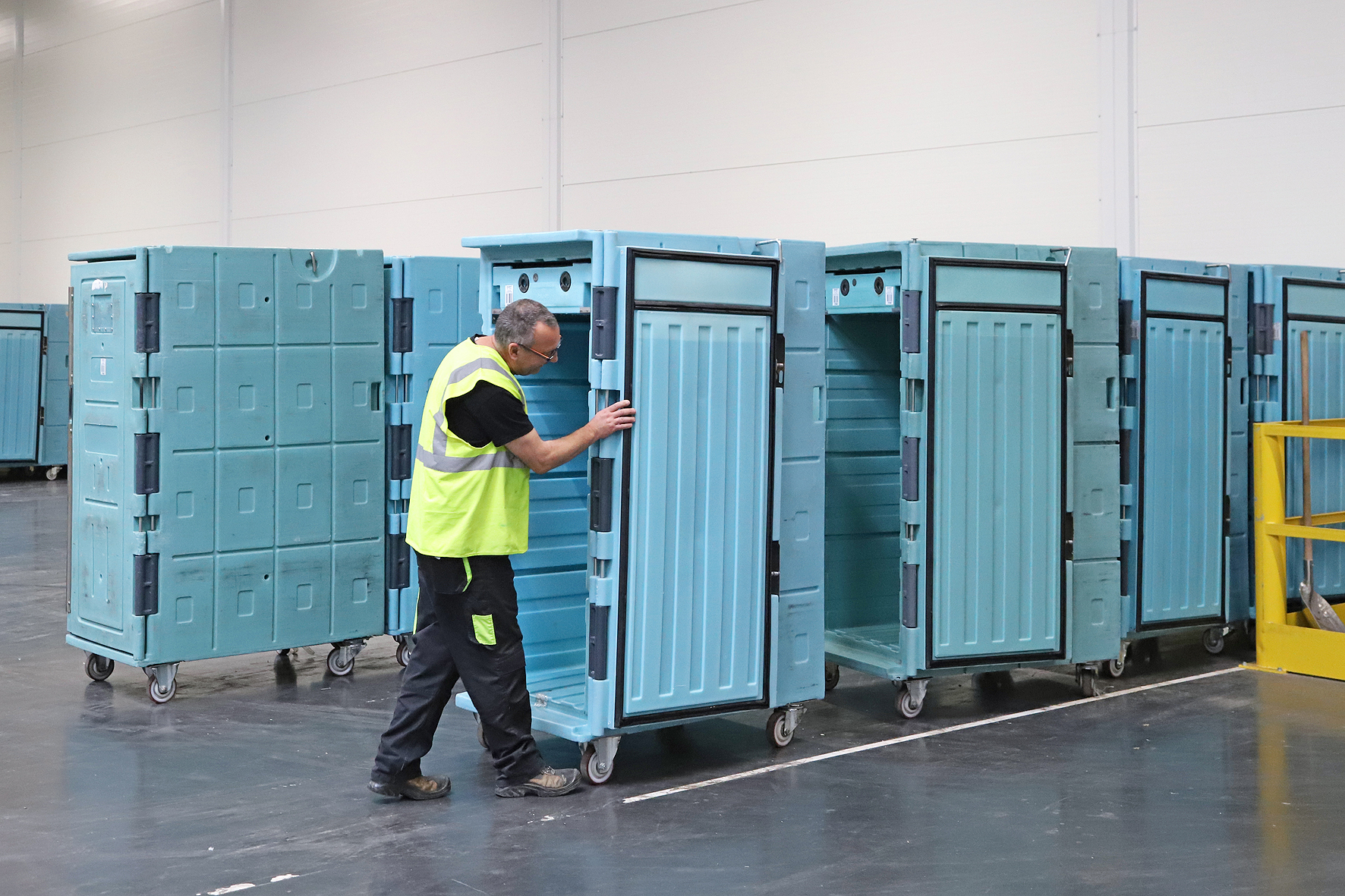
Many food distribution operators have a fleet of insulated containers that has been built up over time through successive purchases, without an overall view of how well the fleet matches actual operational needs.
A fleet audit, which inventories each piece of equipment, measures its utilization rate, analyzes maintenance costs, and checks ATP compliance, often reveals two paradoxical realities:
Over-equipment: too many containers of a certain type that no longer match actual needs
Under-equipment: a lack of containers for certain temperature ranges or specific delivery routes
By rebalancing the fleet based on this analysis, it is often possible to reduce the total number of containers, and therefore capital costs, while improving service levels.
Pooling equipment across different routes within the same company is an underused lever. A container used in the morning can, after cleaning, be reused in the afternoon on another route.
Pooling models between non-competing companies are also developing, managed by a third party. Already common for pallets, this “pooling” system is emerging for insulated equipment and can generate significant savings.
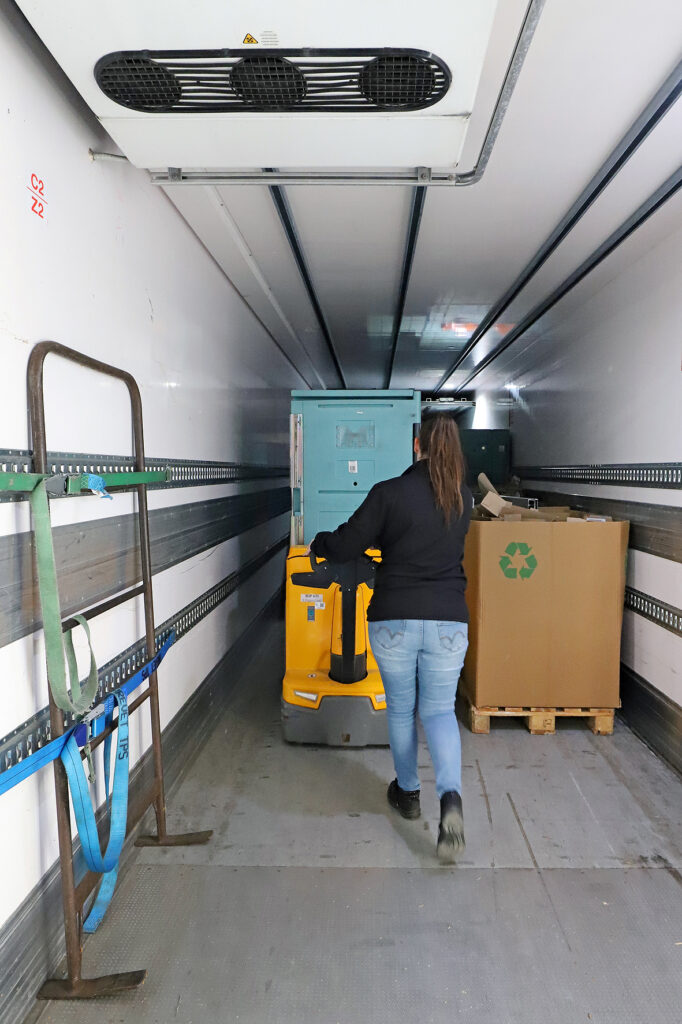
TA truck refrigeration unit is expensive to buy, maintain, and operate. It consumes fuel, requires specialized maintenance, and can break down at the worst possible time.
For delivery rounds shorter than 8 to 10 hours, there is an alternative: using passive insulated containers (without an active refrigeration unit), loaded with sufficiently powerful eutectic plates, and transported in standard non-refrigerated vehicles. This approach has been successfully adopted by several major retail companies, which have achieved significant savings on transport costs while maintaining temperature compliance across all their delivery routes.
The decision to switch from a refrigerated truck to a passive insulated solution should be based on a rigorous economic comparison that includes:
In many cases, especially for distributors handling multi-drop deliveries in urban or suburban areas, passive insulated solutions are economically more efficient over a 5-year TCO, while also generating lower CO₂ emissions.
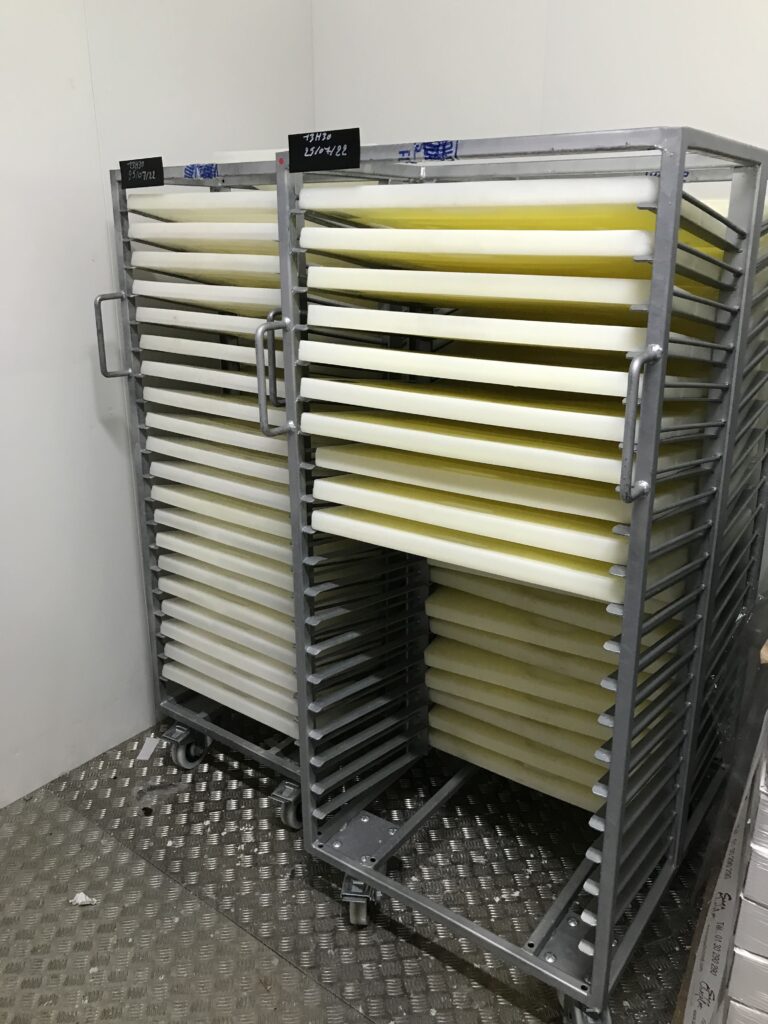
InRecharging eutectic plates in a cold room is a key logistics step that directly determines the thermal autonomy of containers. However, it also represents a cost (electricity, labor) and an operational flow (unloading plates after routes, placing them in the cold room, retrieving them the next morning for loading) that should be optimized.
Simple practices can reduce this cost: grouping plate recharging during off-peak hours (lower electricity tariffs), optimizing loading density in the cold room (more plates recharged in a single session), and precisely adjusting the number of plates required per container and per route (neither more nor less than necessary).
Not all eutectic plates are the same, and choosing the most suitable one for each delivery route is an often overlooked optimization lever. A plate that is too powerful is an unnecessary investment and adds extra weight. A plate that is not powerful enough may fail to maintain temperature at the end of the route.
Adapting the format and number of plates based on route duration, transported volume, and outside temperature is an engineering task that can be handled by a specialist. This helps reduce costs while ensuring performance.
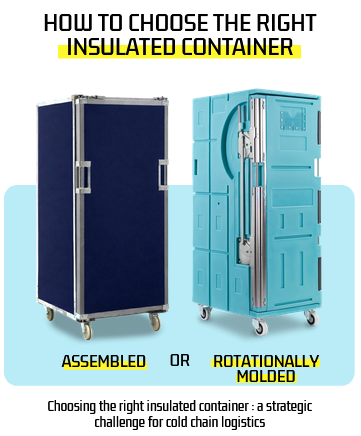
To support this reflection, a benchmark study offers a comparative analysis of insulated container technologies, based on logistics use cases and field constraints.

Trying to reduce costs by cutting back on maintenance, monitoring, or training is risky. The cost of a cold-chain failure, lost goods, testing, disputes, fines, and reputational damage, often far exceeds the cost of preventive measures.
For a delivery of fresh products to a large retail chain, a documented temperature non-compliance can lead to rejection of the delivery and its return at the supplier’s expense, a contractual penalty, and a formal warning. When repeated, these non-compliances can lead to the logistics provider being delisted.
Paradoxically, investing in continuous temperature monitoring systems can reduce total cold-chain logistics costs. These systems make it possible to:
The return on investment of temperature monitoring systems is reflected in reduced product losses, customer penalties, and non-compliance costs.
The relationship with an insulated equipment supplier should not be limited to a one-off purchase. Buyers who achieve the best results are those who build a real partnership.
A strong partnership includes planned preventive maintenance services, support for certification renewals, responsive technical support, and regulatory monitoring to anticipate changes in standards.
A well-designed maintenance contract helps ensure long-term performance and compliance while smoothing costs over time. It should include:
For companies with strong seasonality or in a growth phase, leasing containers may be more relevant than buying. It allows the fleet to be adjusted to needs without tying up capital.
Some suppliers offer hybrid models: you purchase the base fleet for regular activity and lease additional capacity for seasonal peaks. This combines the advantages of both approaches.
| Lever | Potential savings | Implementation timeline | Complexity |
| Thinking on total cost of ownership | 15 to 30% on procurement | 1 to 3 months | Low |
| Optimizing the fleet | 10 to 25% on capital tied up | 3 to 6 months | Medium |
| Shifting to passive insultaed solutions | 20 to 40% on transport | 6 to 12 months | High |
| Optimizing cooling sources | 10 to 20% on energy | 1 to 3 months | Low |
| Reducing non-compliance | Variable depending on current incidents | 3 to 6 months | Medium |
| Structuring supplier relationships | 5 to 15% on maintenance | 1 to 6 months | Low |
INFORMATIONS
Are you hesitating between several insulated container solutions ?
Talk to an Olivo expert to analyze your current use and operational issues.
Reducing cold-chain logistics costs is a legitimate and achievable objective for procurement and transport directors in food distribution. However, it cannot be achieved through simple downward pressure on purchase prices. It requires a systemic approach combining fleet optimization, appropriate technology choices, data-driven management, and structured partnerships with equipment suppliers. Companies that have adopted this approach have demonstrated that it is possible to significantly reduce cold-chain logistics costs while strengthening regulatory compliance. These two objectives are not contradictory but complementary when addressed with the right methodology.
Do you need more information or would you like to talk to our teams about your project ?

ZA Charles Chana
1 boulevard des Mineurs – CS 50019
42230 Roche-la-Molière

Tel : +33 (0)4 77 90 68 63
2 July 2026 by Edina GÁLFI
5 May 2026 by Edina GÁLFI
26 February 2026 by Edina GÁLFI