

How do you get the best value for money in a professional insulated container ?
1 October 2026 by Edina GÁLFI
2 June 2026 by Edina GÁLFI

In the food distribution industry, wholesalers and processors occupy a key position. They are the essential intermediary between producers and end points of sale, supermarkets, restaurants, school canteens or local grocery stores. Their daily challenge ? Meeting increasingly demanding requirements in terms of delivery reliability, food safety and responsiveness.
Yet cold chain logistics often remains the most delicate and risky link in their supply chain. It requires substantial investments (refrigerated trucks, cold rooms, containers), generates significant operating costs and exposes the company to major sanitary and regulatory risks as soon as one link weakens.
So, how can cold chain logistics be streamlined and optimized in order to gain competitiveness while remaining compliant ? Here are some practical approaches.
Unlike large-scale retail chains that supply their own stores, food wholesalers serve a wide variety of customers with very different profiles: independent restaurants, caterers, bakeries, grocery stores, public institutions, etc. This diversity results in a high level of heterogeneity in orders: volumes, delivery frequencies and temperature requirements differ radically from one customer to another. This variety is a major source of complexity.
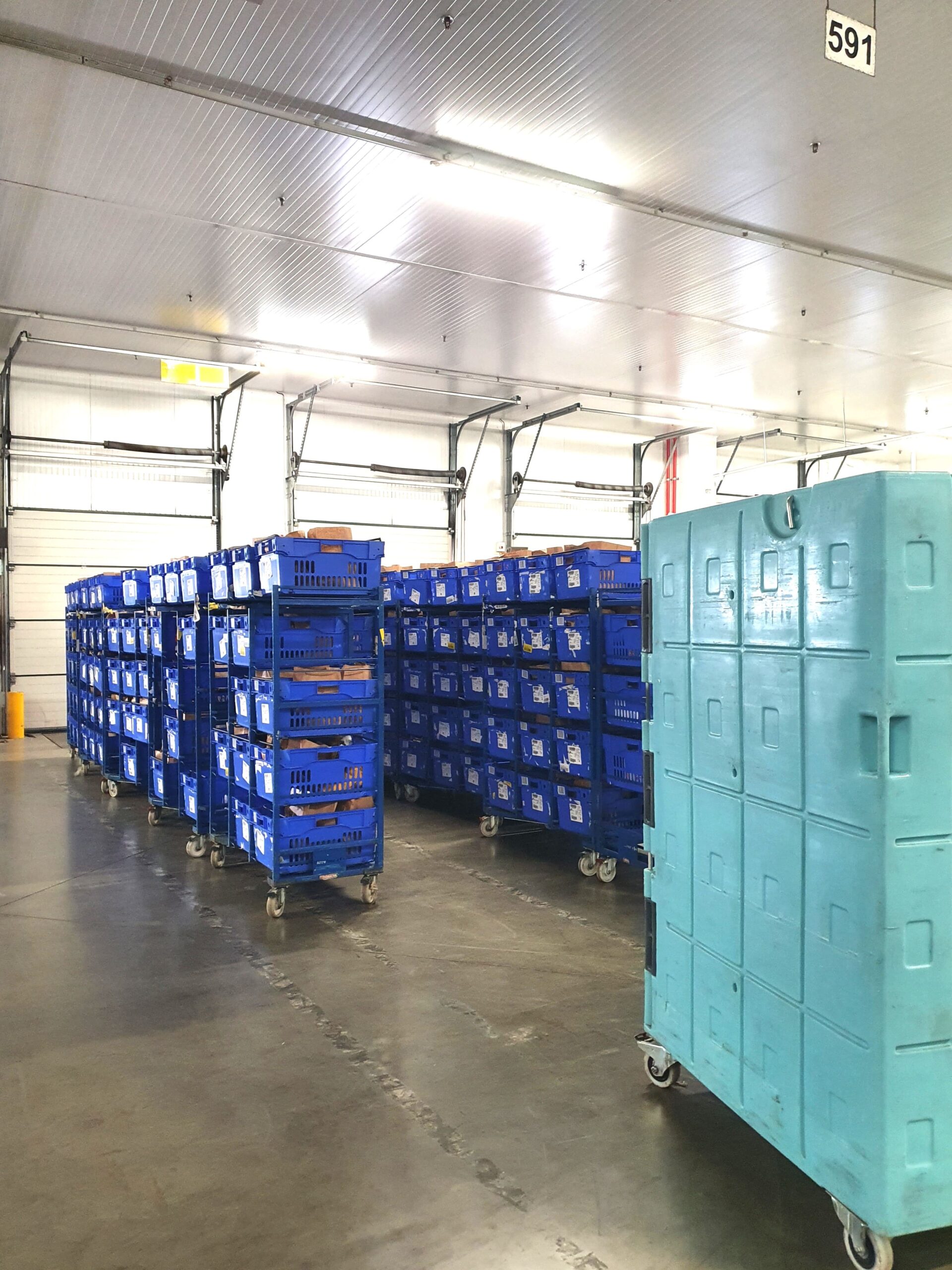
Delivering small volumes while maintaining the cold chain represents one of the most costly challenges. A 20-pallet refrigerated truck making 30 stops to deliver less than one pallet per destination is hardly profitable. Insulated solutions, such as bins or boxes equipped with autonomous cooling sources, provide a suitable response here. They preserve product temperature with flexibility, independently from stops or external conditions.
Most wholesalers simultaneously deliver fresh products (+2°C to +4°C), frozen products (-18°C) and ambient products. Organizing delivery routes that combine these different categories is a real operational headache. It requires either expensive multi-temperature vehicles or insulated equipment powerful enough to maintain each temperature range throughout the entire route.
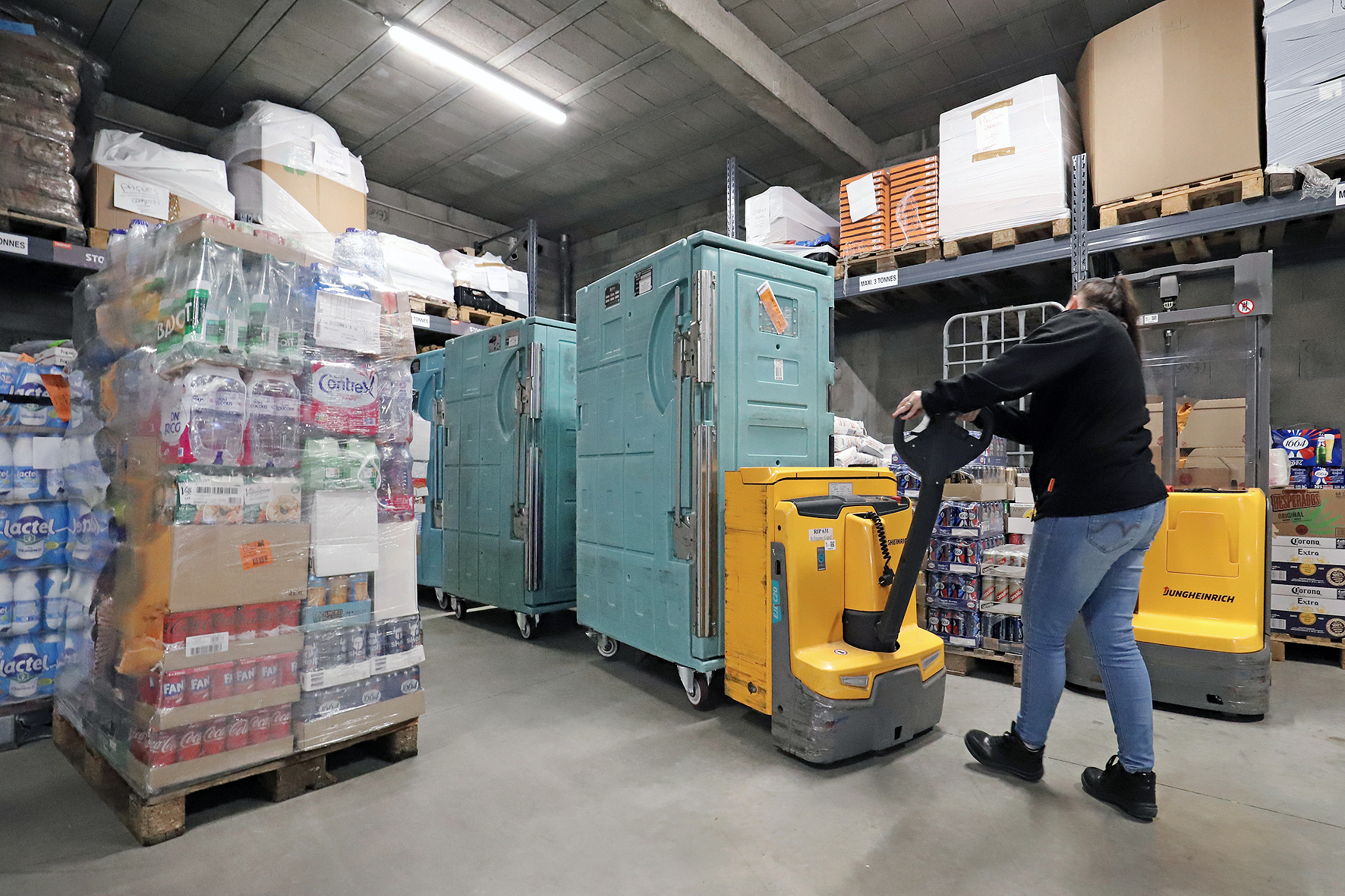
Investing in refrigeration equipment must be considered in terms of total cost of ownership, not simply purchase price. For an insulated container, this includes acquisition cost, the energy required to recharge eutectic plates, maintenance, certifications and end-of-life replacement.
Over a 10- to 12-year period, a robust and properly maintained insulated container may prove more cost-effective than a fleet of refrigerated trucks, which are extremely expensive both to purchase and to operate.
The economic performance of a temperature-controlled delivery route is measured through several key indicators:
To improve these indicators, food wholesalers are increasingly exploring logistics pooling models: sharing delivery routes with other non-competing distributors serving the same geographical areas. This approach, facilitated by route optimization tools and insulated equipment compatible with multiple operators, can reduce transport costs by 20 to 30% while improving service levels.
underestimated. Beyond products destroyed following a temperature incident, the following must also be taken into account:
Investing in high-performance insulated equipment and temperature monitoring systems is not simply a regulatory constraint: it is a rational economic decision for a wholesaler seeking to protect margins and reputation.
Processors (delicatessen products, prepared meals, fourth- or fifth-range products, etc.) face highly specific logistical challenges. The most critical point is often at the end of the production line: products, still warm, must be cooled rapidly before packaging and shipping. The quality of the initial cooling process directly determines product shelf life and therefore its commercial value.
The food industry is marked by strong seasonality: summer peaks, exploding orders before holidays, unpredictable promotional campaigns… These fluctuations put logistics systems under pressure. The flexibility offered by insulated equipment, with the possibility of renting additional equipment during peak periods, is a valuable advantage for absorbing increased volumes without compromising quality.
Processors working with large retail chains or institutional catering services are subject to increasingly demanding logistical specifications. Their clients require:
To meet these requirements, processors must equip themselves with certified insulated solutions, compliant temperature recording systems and documented, auditable logistics processes.
The first step is to have a clear overview of your fleet: number and type of containers, condition, current certifications and performance levels. This mapping makes it possible to identify defective equipment and plan replacements before incidents occur. A good supplier should be able to support you with this audit and with fleet monitoring.
The choice must be based on your operational constraints:
For long delivery routes (8 to 12 hours): prioritize high-capacity eutectic plates or cryogenic cooling rather than conventional cold accumulators.
For export or multi-destination shipments: CO₂-based solutions (dry ice) provide extended autonomy (up to 72 hours) and eliminate the need for recharging during transit.
For short urban deliveries (less than 4 hours): lightweight insulated containers with cold accumulators may be sufficient, provided products are properly pre-cooled.
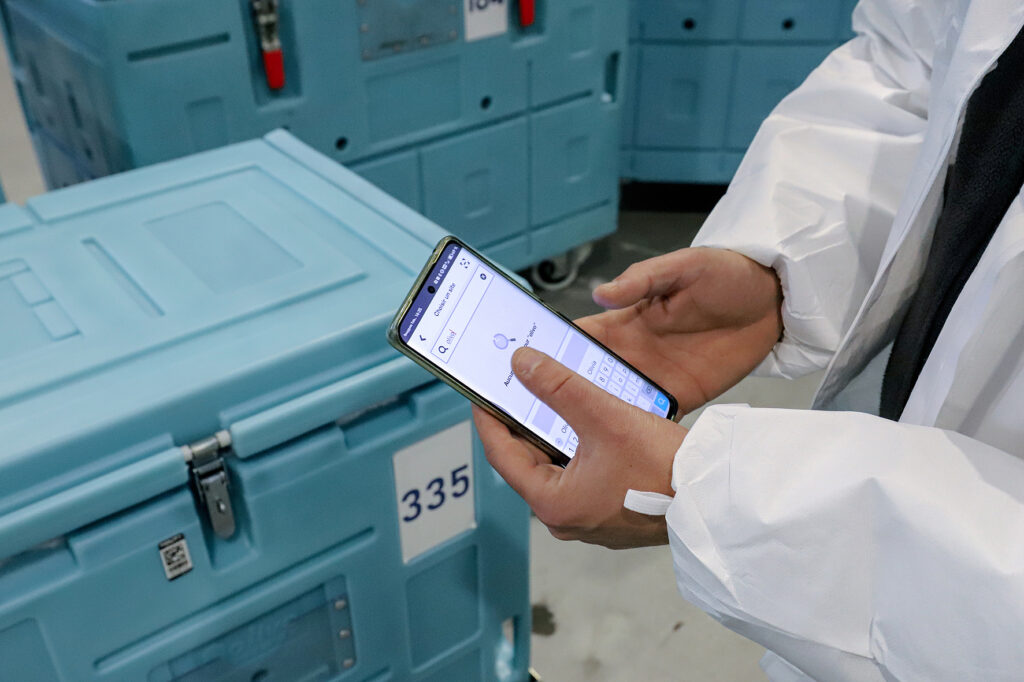
Temperature monitoring throughout the logistics chain is both a regulatory requirement and a performance management tool. Modern temperature recording systems make it possible to:
To support this reflection, a benchmark study offers a comparative analysis of insulated container technologies, based on logistics use cases and field constraints.

The environmental transition is now unavoidable. Cold chain logistics is highly energy-intensive. Reducing its carbon footprint responds to strong customer expectations (particularly from major retailers committed to CSR initiatives) and can also generate savings.
Passive insulated containers, which consume no energy during transport, offer a major advantage. Combined with electric vehicles or urban cycle logistics, they make it possible to create genuinely low-carbon delivery solutions.
Industrial-grade insulated containers are designed to last 10 to 12 years with appropriate maintenance. At the end of their useful life, they are fully recyclable. This inherent durability fits into a circular economy approach that maximizes the value of the initial investment while reducing the overall environmental footprint of cold chain logistics.
INFORMATIONS
Are you hesitating between several insulated container solutions ?
Talk to an Olivo expert to analyze your current use and operational issues.

For wholesalers and processors, cold chain logistics is too often viewed as a costly constraint. Yet those who have invested wisely in suitable equipment, optimized their delivery routes and implemented reliable monitoring systems have turned it into a genuine competitive advantage: improved service levels, flawless compliance and the ability to meet the most demanding customer requirements.
Do you need more information or would you like to talk to our teams about your project ?

ZA Charles Chana
1 boulevard des Mineurs – CS 50019
42230 Roche-la-Molière

Tel : +33 (0)4 77 90 68 63
1 October 2026 by Edina GÁLFI
17 September 2026 by Edina GÁLFI
3 September 2026 by Edina GÁLFI