• EN COLRUYT COUVERTURE
  • EN COLRUYT EXTRAIT 1
  • EN COLRUYT EXTRAIT 2
  • EN COLRUYT COUVERTURE
  • EN COLRUYT EXTRAIT 1
  • EN COLRUYT EXTRAIT 2

Case study – Colruyt – FREE

Multi-temperature, standard trucks, no in-store cold storage : how Colruyt met the challenge

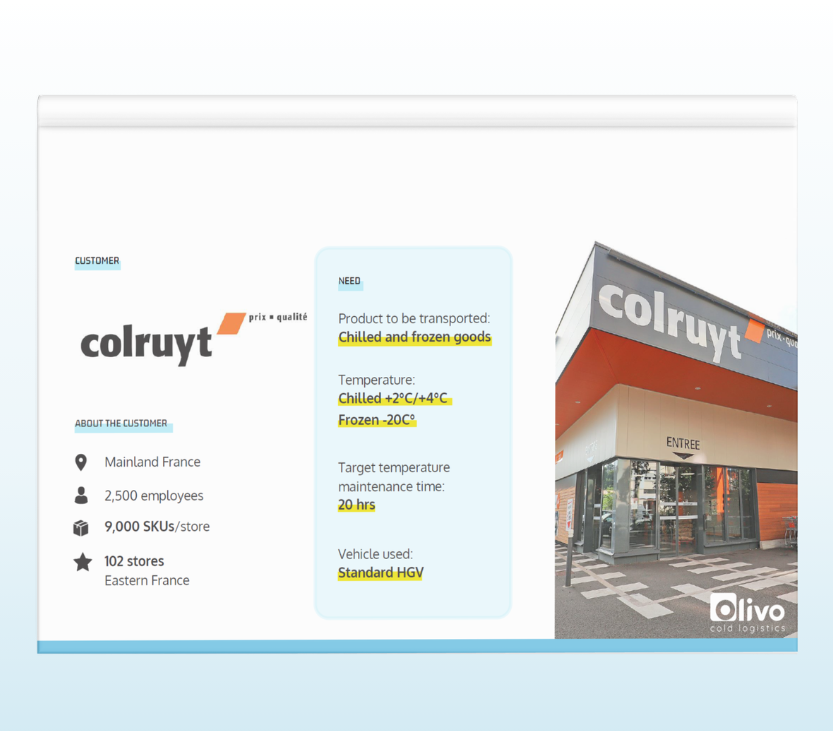
102 stores to supply daily, fresh and frozen products to keep at temperature for up to 20 hours, and no refrigerated storage at the point of sale. Discover how Colruyt France solved this complex logistics equation.

■ Context and on-the-ground constraints specific to Colruyt France
■ A demanding specification: multi-temperature capability, QHSE compliance, energy efficiency
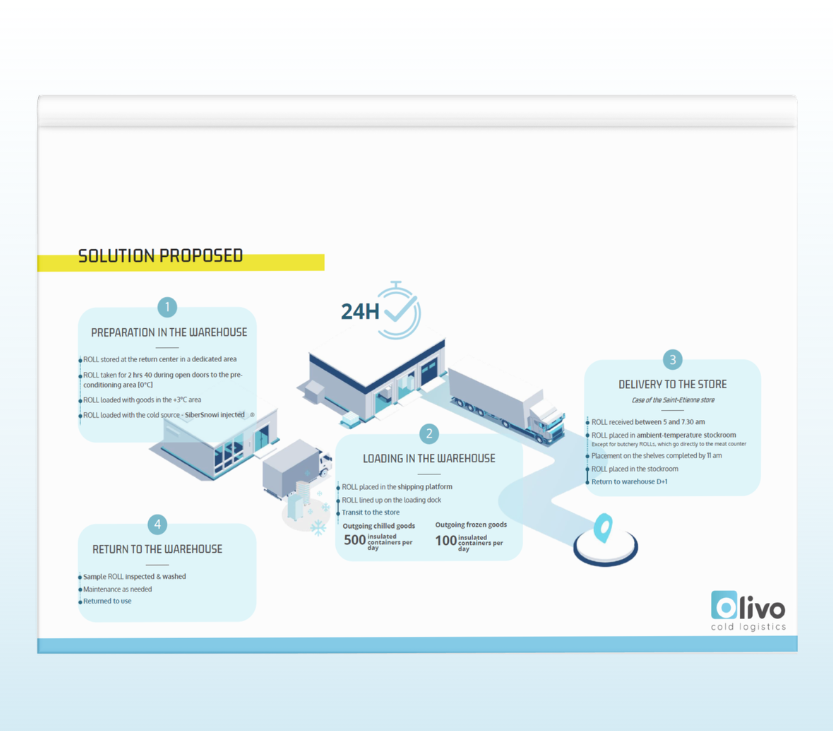
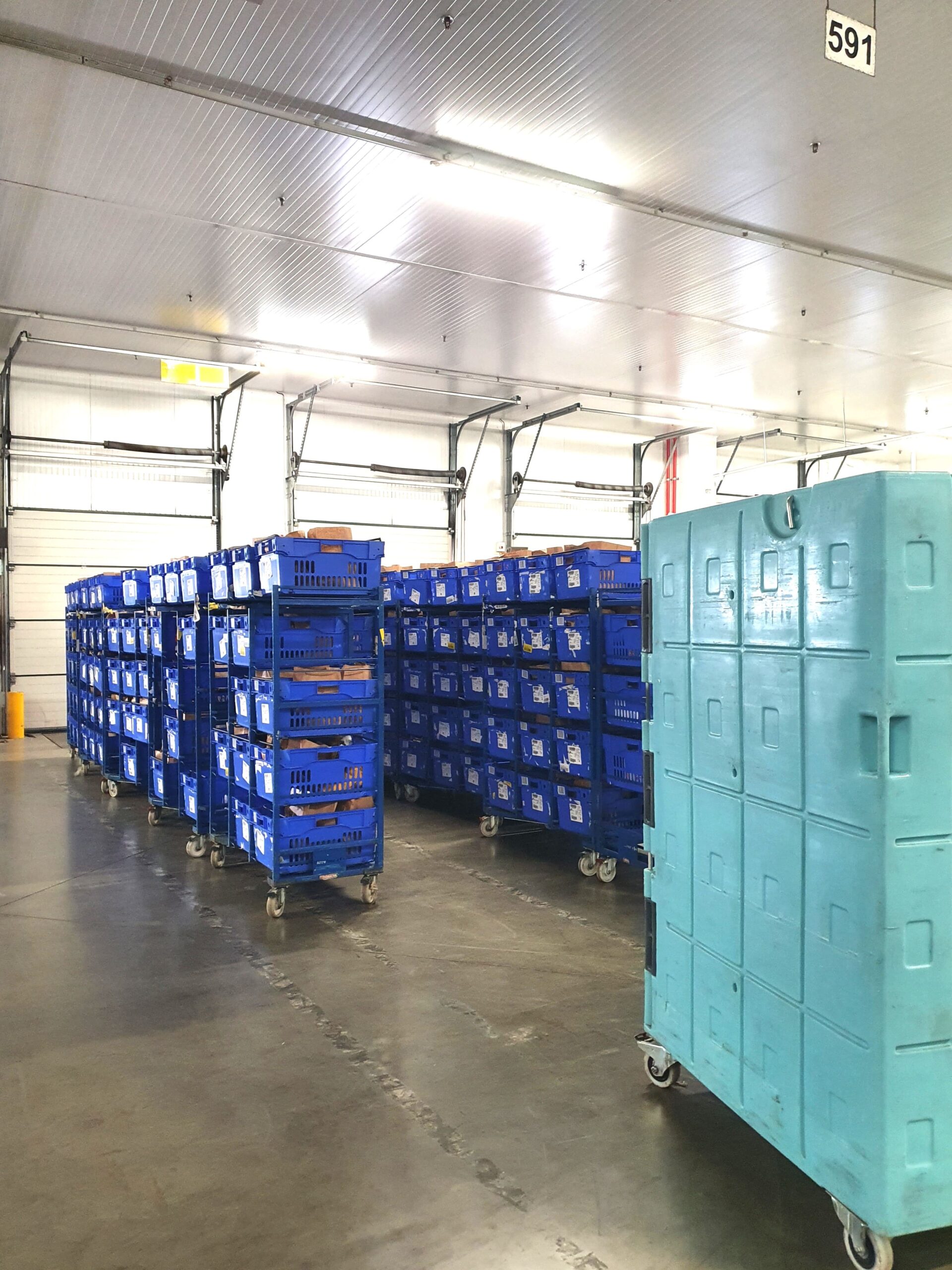
■ The solution implemented: flow organization from warehouse to shelf
■ Automated cold injection to reduce handling and optimize cost control
■ Results achieved following laboratory validation and real-world deployment

Download the complete guide!

* Champ obligatoire

Our news in cold logistics

View the blog
  • 20220322 143858 Read more
    Food Distribution

    Insulated food containers for care home meal delivery

    This guide examines the specific cold chain challenges faced by care home caterers in the UK, the regulatory framework that governs meal temperature, and how purpose-built isothermal containers can turn a daily logistical headache into a reliable, compliant process.

    3 September 2026 by Edina GÁLFI

  • PLAQUE ATP Read more
    Food Distribution

    ATP renewal for your insulated containers: what every logistics manager needs to know to remain compliant

    Among the regulations governing the transport of perishable food products, the Agreement on the International Carriage of Perishable Foodstuffs (ATP) is undoubtedly one of the least known by logistics teams.

    2 July 2026 by Edina GÁLFI

  • Olivo 7 9 2023©Celine Vautey 10 Read more
    Food Distribution

    Food wholesalers and processors: how can you turn your cold chain logistics into a real competitive advantage ?

    In the food distribution industry, wholesalers and processors occupy a key position. They are the essential intermediary between producers and end points of sale, supermarkets, restaurants, school canteens or local grocery stores. Their daily challenge ? Meeting increasingly demanding requirements in terms of delivery reliability, food safety and responsiveness.

    2 June 2026 by Edina GÁLFI